
Issue #1: The Microplastics in You
Forget AI and the algorithm of consciousness (!)–turns out you’re already part human, part Tupperware. Water bottles, takeout boxes, latte lids…. there are more plastic particles in your body than visible stars in the night sky.
I got interested in this topic tangentially when I started investigating water purity over a decade ago. I thought that my simple home water filter would do the trick of giving me clean water but I found that it didn’t remove drug metabolites, non-volatile inorganic compounds (nitrates, minerals and heavy metals) and plastics. That set me on a mission to find a way to purify my water. After all, our bodies are 60% water. But then I realized that it’s not just our water that’s contaminated–plastics are now ubiquitous in our ecosystems and in our bodies.
The good news? You don’t have to live as a walking, talking, plastic ocean. Here’s how to dodge the worst offenders and outlast the packaging that’s consuming you.
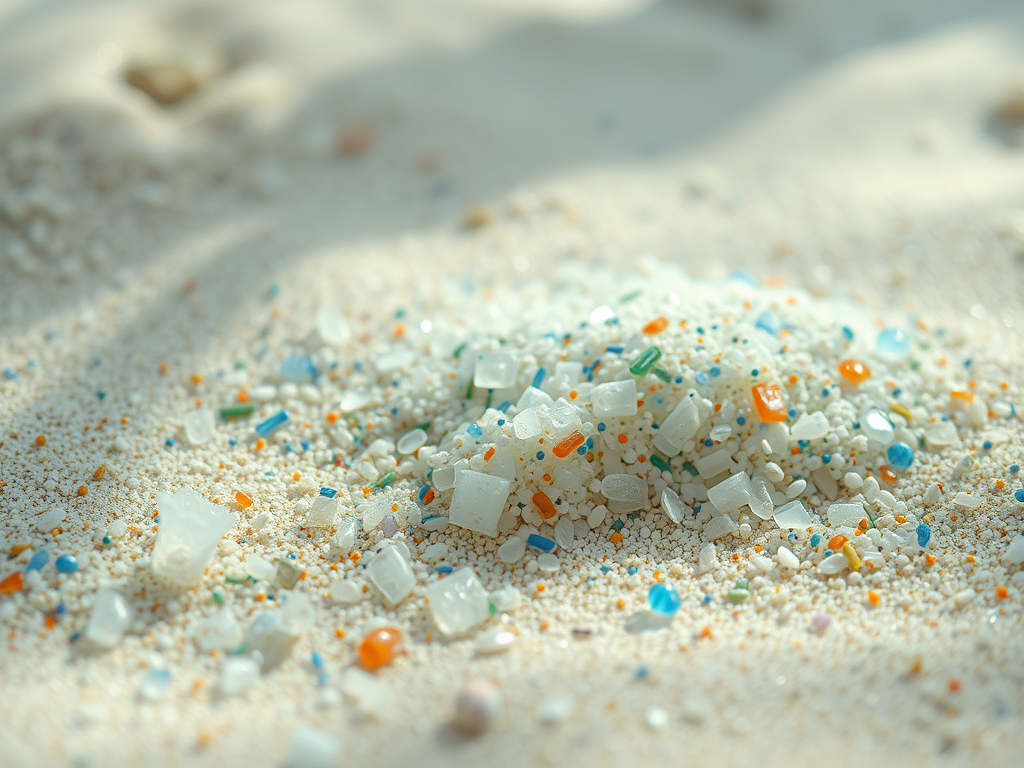

Pulse
Scientists just found nanoplastics embedded in human arteries. Forget cholesterol—your latte lid may be the new plaque. What do we know so far? Let’s parse what’s real, what’s hype, and what’s actionable.

Psyche
Microplastics don’t just lodge in the gut or bloodstream — their reach extends to the brain. Recent experimental studies suggest that plastic particles can cross the blood–brain barrier, triggering neuroinflammation and altering neurotransmitter systems involved in anxiety and depression.

Probe
Picture this: you’re in an airport, jet-lagged, dehydrated, and the only water is in a plastic bottle that’s been sitting under fluorescent lights since the invention of the internet. Do you drink? Do you wait? Let’s break down the survival calculus of plastic in the savannahs of city life.

Prosper
Plastic isn’t just in your bloodstream, it’s in your portfolio. From water filters to bioplastic startups, here’s how to spot who’s cashing in on our polymer problem.
Phagocyte/Play
Macrophages are the immune system’s garbage collectors, engulfing invaders, chewing them down, keeping your inner terrain clean. But what happens when the “invaders” are tiny shards of our own making?

Postscript
Here are the issue’s main takeaways and a glimpse into this month’s Micromanage Your Microplastics Challenge.
Your Welcome Run of Wellth-e
This is part of your complimentary 3-month experience: one full issue each month, supported by weekly supplements. After 3 months, you’ll have the chance to stay on as a subscriber.
Have a topic you’d love to see in Wellth-e? Reply to this email with your suggestion — we’d love to hear from you.
To ensure that you receive your ACTION SUPPLEMENTS to this issue, leave your email here:


 Wellth-e