Plastics don’t stop at your tap or takeout box — they creep into our food chain. This guide shows you how to spot the hidden risks and make safer swaps without giving up (most of) your favorites.

Seafood & Fish
- Bivalves (clams, mussels, oysters): High risk — they filter gallons of water and trap nanoplastics directly in tissues.
- Crustaceans (shrimp, crab): Plastics mostly in gut. Deveining shrimp reduces risk.
- Small whole fish (anchovies, sardines, smelt): Riskier since eaten whole (gut, liver, kidneys) → higher microplastic exposure.
- If eating sardines: gut them first if fresh. Canned sardines often include organs, so exposure persists.
- Large predatory fish (tuna, swordfish, shark, king mackerel): Lower direct microplastic load in muscle, but higher chemical contaminants (mercury, PCBs). Plastics bioaccumulate in guts more than muscle, but predators also accumulate toxins up the food chain.
- Lower-risk choices: Salmon, trout, cod, haddock, tilapia, mahi-mahi fillets (remove skin/organs).
- Safer seafood strategy:
- Opt for fillets, not whole fish.
- Choose wild-caught mid-chain fish (salmon, cod, mackerel fillets) over both bivalves and tiny whole fish.
- Vary protein sources (poultry, legumes, eggs) to reduce cumulative burden.
Plastics vs Mercury: The Tradeoff in Fish
- Large Predatory Fish (highest mercury):
- Shark, swordfish, king mackerel, tilefish (Gulf of Mexico): Very high mercury. Best to avoid, especially for pregnant women and children.
- Tuna: Varies — albacore (“white tuna”) higher in mercury than skipjack (“light tuna”).
- Salmon:
- Wild-caught Alaskan salmon:Low mercury, relatively low microplastic risk (fillets). One of the safest fish choices overall.
- Farmed salmon: Lower mercury but higher risk of other contaminants (PCBs, dioxins from feed). Also higher microplastic load if feed is contaminated.
- Mid-Chain White Fish (cod, haddock, tilapia, mahi-mahi, trout):
- Generally low mercury and lower microplastics in fillets. Safe staples.
- Small Oily Fish (anchovies, sardines, smelt):
- Low mercury (a benefit of being short-lived and low on food chain).
- High plastic exposure if eaten whole (organs contain most microplastics).
Bottom Line for Readers
- Best balance: Wild-caught Alaskan salmon, cod, haddock, trout, tilapia, mahi-mahi.
- Good in moderation: Sardines, anchovies (if gutted or limited portions).
- Avoid or minimize: Shark, swordfish, king mackerel, Gulf tilefish, high-mercury tuna.
Okay, this one hit me hard. Fish sauce is made from fermented anchovies (or other small fish) plus (sea!)salt, and those anchovies are often processed whole (bones, guts, skin, organs). Since organs are where microplastics concentrate most, I had to face the possibility that fish sauce carries a higher plastic load than, say, a fillet of fish.
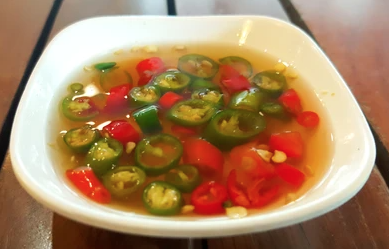
Here’s what’s known:
- Direct data: I could not find peer-reviewed studies specifically testing fish sauce for microplastic content (as of 2025).
- Indirect evidence:
- Studies show anchovies and sardines are among the most contaminated fish because they’re eaten whole.
- Fermentation does not break down plastics — if anything, salty/briny conditions could leach additives or fragment plastics further.
- Since fish sauce is filtered but not distilled, micro- and possibly nano-sized plastics could remain in the final liquid.
- Packaging: Many fish sauces are sold in plastic bottles (PET), which adds another exposure route. Glass-bottled versions are safer.
Fellow Fish Sauce Lovers
Here’s the best we can do:
If concerned about cumulative exposure, rotate with alternatives like soy sauce (in glass), coconut aminos, or mixing hoisin and miso sauce (I’m shaking my head even as I list these options–sacrilege!).
Choose fish sauce in glass bottles when available (brands like Red Boat offer this).
Use fish sauce sparingly as a flavoring, not as a major nutrient source (easier said than done!)
Plastics in Meat & Dairy — What We Know
- Microplastics detected:
- Cow’s milk (both raw and packaged) — multiple studies show microplastic fibers and fragments in samples from Europe, Asia, and the Middle East. Likely sources: contaminated water, feed, and milking/storage equipment.
- Chicken meat and tissues — microplastics found in gizzard, liver, and muscle. Feed and water again the likely pathways.
- Grass-fed vs grain-fed:
- I could not find strong peer-reviewed evidence that grass-fed animals have less microplastic contamination.
- Why? Even pastureland is exposed to airborne plastic fibers and irrigation water carrying microplastics.
- Feed for grain-fed animals may add another pathway (pellets in plastic-lined sacks, processed ingredients, contaminated storage bins). But grazing animals can still ingest fibers from soil, grass, and air.
- So at best: Grass-fed may avoid plastics from packaged/processed feed, but they’re not immune to plastics in the environment.
- Dairy equipment: Another overlooked factor — plastic tubing and liners in industrial milking systems can contribute microplastics directly into milk. Grass-fed dairy cows may still be milked with the same systems.
Reader Takeaway
- Right now, there’s no conclusive evidence that grass-fed = significantly lower microplastics.
- The real differentiators are:
- Water source quality
- Feed packaging and processing
- Milking/processing equipment (plastic vs stainless steel lines)
So: Choose grass-fed for nutrition (omega-3s, better fat profile), but don’t assume it protects against plastics.
Salt & Seasonings: Plastics vs Iodine
- Sea Salt:
- Universally contaminated with microplastics (studies from Europe, Asia, and North America confirm detection in nearly all samples).
- Often contains some natural iodine, but amounts are variable and not reliable.
- Mined Rock Salt / Himalayan Salt:
- Much lower in microplastics — these deposits were laid down millions of years ago, before modern pollution.
- Drawback: Unlike iodized table salt, they contain very little to no iodine.
- Iodine & Health:
- Iodine is essential for thyroid hormone production.
- Iodine deficiency can cause goiter, hypothyroidism, and developmental problems in children.
- Public health programs worldwide made table salt the main iodine delivery system.
- If you switch fully to Himalayan or rock salts, you may lose that fortification.
So Should You Supplement?
- If you rely mostly on Himalayan/rock salt → yes, consider alternative iodine sources:
- Food sources: dairy, eggs, fish, seaweed (nori, kelp, wakame)–yup, all of which may also be contaminated…
- Iodized salt rotation: Use a mix — e.g., iodized salt for cooking, mineral salts as finishing salts.
- Supplements: Potassium iodide in multivitamins or standalone form — but avoid “megadoses” (too much iodine can also disrupt thyroid function).
Bottom line for Wellthe readers:
- Best microplastic avoidance: Rock or Himalayan salt.
- But: Balance with occasional iodized salt use, iodine-rich foods, or supplements to ensure thyroid health.
Seasonings & Spices: Hidden Plastic Pathways
- Plastic Packaging:
- Many supermarket spices come in polypropylene (#5) or PET (#1) jars. Over time, microplastics shed into powders, especially with shaking and humidity.
- Better: Buy spices in glass jars with metal lids (common with organic brands).
- Pre-Ground vs Whole Spices:
- Pre-ground spices → more surface area, more chances to absorb airborne dust and plastics during processing and storage.
- Whole spices (peppercorns, cumin seeds, nutmeg, cinnamon sticks) are far safer. You grind them at home just before use.
- Bonus: fresher, more potent flavor.
- Bulk Bins:
- Bulk spice bins often use plastic scoops and liners; contamination risk is higher.
- If using bulk bins → bring your own glass or stainless containers; avoid scoops that look worn or scratched.
- Single-Use Packets (restaurants, takeout):
- Sachets of pepper, chili flakes, or seasoning often made of polyethylene film → fragments can contaminate the contents.
- Decline these when possible; use your own travel spice kit (tiny glass jars or tins).
- Herbal Teas / Dried Herbs:
- Watch out for “mesh” sachets — they’re usually nylon or PET. Choose paper tea bags, loose-leaf tea in tins, or bulk herbs in glass jars.
Buy Smarter Tips
- Look for certified organic spice brands that package in glass (e.g., Simply Organic, Frontier Co-op).
- Shop at farmers’ markets or specialty spice shops that use glass refill jars.
- Invest in a small spice grinder (ceramic burr, not plastic housing inside).
- Store away from heat and sunlight — reduces breakdown of any container materials.
Tea
- “Silken” tea bags = nylon or PET. A single bag may release billions of particles in hot water.
- Use paper filter bags or stainless steel mesh infusers.
Coffee Pods (K-cups, Nespresso, etc.)
- The problem:
- Standard K-cups and pods are made from polypropylene (#5) or mixed plastics (#7) with aluminum foil lids.
- Hot pressurized water extracts both microplastics and chemical additives directly into the brew.
- Billions of pods also contribute to plastic waste streams.
- Non-plastic alternatives:
- Stainless steel reusable pods (brands: SealPod, iCafilas, My-Cap) → refill with your own ground coffee; only stainless + silicone touches hot water.
- Compostable pods (made of plant-based materials like PLA or paper composites). Caution: While better for the environment, PLA is still a bioplastic — it may fragment under heat. Evidence on leaching is limited.
- Paper pods (ESE pods) → usually wrapped in filter paper. Fully compostable, widely used in Europe.
Bottom Line:
- If you already own a pod machine:
- Switch to stainless steel refillable pods.
- If not possible, choose paper pods over plastic.
- Avoid “compostable PLA” pods if you want to minimize plastic ingestion risk.
- Best long-term option: Shift to brewing methods with no plastic exposure — e.g., French press (stainless + glass), pour-over with paper filter, or moka pot (all stainless/aluminum).
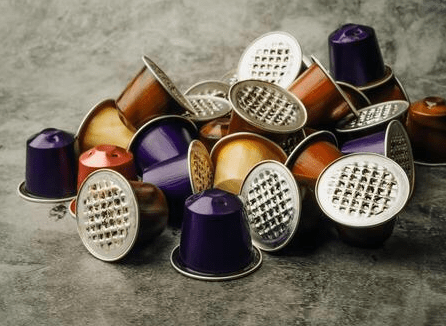
Yes, refillable pods can be a pain…
Tips for easier use
- Invest in a good burr grinder. This gives you precise control over the grind size, which is crucial for a great cup of coffee.
- Pay attention to the fill line. Most reusable pods have a max fill line to prevent overfilling and clogging.
- Tamp lightly. Gently tapping the pod or pressing lightly is all that is needed. Avoid compacting the grounds too much.
- Try paper filters. If you use a Keurig, small paper filters can be used inside reusable pods to prevent grounds from getting into your cup.
Behavior Hack for Pod Users
“If it’s hot and under pressure, don’t let it touch plastic.”
- Pods = highest-risk combo (heat + pressure + plastic).
- Reusable stainless pods = safest bridge for current pod-machine owners.
Produce
- Washing vs Peeling:
- Washing under running water in a colander removes surface microplastics and dust fallout.
- For fruits/vegetables with edible skins (apples, pears, cucumbers, grapes, tomatoes): better to wash than peel, since most nutrients (fiber, polyphenols, vitamins) are in or just under the skin.
- Peeling unnecessarily reduces nutritional value without guaranteeing fewer microplastics (since many are internal from irrigation/soil).
- Apple Wax Coatings:
- Commercial apples often coated with a thin edible wax layer (carnauba, shellac, or petroleum-based microcrystalline wax).
- Plastic interaction:
- Waxes are hydrophobic and may repel some microplastics/dust, acting like a “barrier.”
- But petroleum-derived waxes can also carry their own chemical residues.
- Advice: Wash thoroughly under running warm water, scrub gently with a brush, or use a dilute baking soda rinse. Peeling is a fallback, but you’ll lose much of the skin’s antioxidants.
- Leafy Greens:
- Lettuce, spinach, kale can trap microplastics from irrigation water and airborne fallout.
- Rinsing leaves separately under running water is more effective than soaking (soaking water itself may re-deposit particles).
- Root Vegetables (carrots, potatoes, beets):
- Most plastics exposure is on the surface (from soil particles).
- Scrubbing under water works; peeling reduces exposure but also removes fiber + micronutrients.
Reader Takeaway
- For edible-skin produce: wash > peel.
- For waxed apples: wash with warm water + brush.
- For leafy greens: rinse individual leaves, avoid soaking bowls.
- For roots: scrub under running water, peel only if cooking preference dictates.
Extra OCD: Vegetable Scrubbing Brushes
- Plastic-bristled brushes:
- Common, cheap, but the bristles shed microplastic fibers with use.
- Friction against hard veggies (potatoes, carrots, apples) accelerates wear.
- Natural alternatives:
- Tampico fiber (from agave cactus), coconut coir, or plant-derived bristles mounted on wood handles. Durable, compostable, and no plastic shedding.
- Loofah sponges (dried gourd) can also be cut into small discs and used as veggie scrubbers.
- Metal mesh scrubbers:
- Sometimes used for potatoes/beets, but can damage thin-skinned fruits/veggies and strip nutrients.
Recommendation
- Use a natural fiber brush for produce scrubbing.
- Store dry between uses to prevent mold.
- Replace every 3–6 months (natural fibers soften over time).
Processed & Packaged Foods: Can & Pouch Linings
- Cans (the default):
- Traditionally lined with epoxy resins containing BPA to prevent corrosion and metal taste.
- BPA-free is now common, but… many manufacturers quietly switched to BPS or BPF (structurally similar, with similar endocrine effects).
- Even “BPA-free” ≠ “plastic-free.”
- Brands that publicly disclose safer linings:
- Eden Foods → One of the first to switch (since 1999). Uses oleoresin (plant resin, mainly pine) linings in their bean cans. Acidic foods (like tomatoes) still require epoxy-based liners.
- Muir Glen (Organic tomatoes) → Switched to vinyl and polyester-based linings; BPA-free since 2015.
- Amy’s Kitchen, Trader Joe’s, Whole Foods 365 → Market as BPA-free, but details often vague (likely polyester/epoxy alternatives).
- Native Forest (coconut milk) → BPA-free cans, reportedly use polyester-based linings.
- Pouches & Cartons:
- Tetra Pak cartons → multilayered (paper, aluminum, polyethylene). They’re BPA-free, but the polyethylene layer is still plastic (lower leach risk for cold/ambient storage).
- Retort pouches (soups, tuna, baby food) → Almost always lined with plastic films (polypropylene or multilayer PET/nylon). They are “BPA-free” but not free of plastic.
Bottom Line:
- Glass jars > cans > pouches. Glass jars with metal lids (often lined with a thin BPA-free epoxy) are the lowest plastic contact.
- Check brands: Eden Foods for beans; Native Forest for coconut milk; Muir Glen for tomatoes.
- Acidic foods (tomatoes, citrus): Highest leaching risk — buy in glass when possible.
- Rotate packaging: Use cans only occasionally; lean on fresh, frozen, or glass-packed foods for staples.
- Frozen vegetables/fruits in polyethylene bags → safer than cans for plastic leaching, though not plastic-free.
Other Food Sources
Honey
- Findings: Studies from Europe and Asia show microplastic fibers and fragments in honey samples, likely from airborne dust during collection, processing, and packaging.
- Risk factors: Plastic processing equipment, plastic jars, and urban hives near pollution sources.
- Better choices:
- Buy raw, local honey packaged in glass jars.
- Prefer small apiaries using stainless steel extraction equipment.
- Avoid squeezable plastic bottles (common in supermarkets. BTW, make sure it’s not ‘fake honey’, which is also very common).
Bee Extra OCD: Find Local Certified Beekeepers
- American Beekeeping Federation (ABF) Directory
- https://www.abfnet.org
- National network; you can search member beekeepers and associations by state.
- Local Harvest
- https://www.localharvest.org
- Great resource for finding local farms and apiaries that sell raw honey directly, often certified organic.
- Apiary Inspectors of America (AIA)
- https://www.apiaryinspectors.org
- Not a consumer directory, but maintains standards and inspection contacts per state.
- State Beekeepers Associations
- Almost every U.S. state has one (e.g., Massachusetts Beekeepers Association, California State Beekeepers). They usually maintain directories of registered local beekeepers.
- Farmers’ Markets
- Many certified beekeepers sell directly at markets. The advantage: you can ask about harvest methods, packaging, and equipment (glass vs plastic, stainless steel vs plastic extractors).
Bottom Line
- Look for Certified Naturally Grown (CNG) or USDA Organic honey → these prohibit plastic in processing and emphasize natural hive care.
- Always prefer glass jars over squeezable plastic bottles.
- Ask the beekeeper: “Do you use stainless steel or plastic extractors?”
Beer
- Findings: Microplastics detected in multiple global beer brands, traced to contaminated brewing water and packaging lines.
- Risk factors: Plastic filters, tubing, and contaminated municipal water.
- Better choices:
- Craft breweries that disclose stainless steel fermentation + glass bottling.
- Buy beer in glass bottles over cans (cans = BPA-type liners).
- Avoid PET plastic bottles of beer (still sold in some markets).
Bottled Drinks (Water, Sodas, Juices)
- Findings: PET (#1) bottles shed microplastics over time, especially when exposed to heat, sunlight, or reuse cycles. Studies show bottled water can have hundreds of thousands of microplastic particles per liter.
- Risk factors:
- Heat (storage in cars, warehouses, vending machines).
- Acidity (sodas, citrus juices) accelerates leaching.
- Repeated reuse of disposable bottles.
- Better choices:
- Tap water (filtered via reverse osmosis, distillation, or high-quality carbon systems) → stored in glass or stainless steel bottles.
- For travel: buy larger water jugs, then decant into your own stainless/glass bottle.
- For sodas/juices: choose brands packaged in glass bottles (many craft sodas and cold-pressed juices do this).
Bottom Line:
- Honey → raw, local, glass jars.
- Beer → craft, stainless steel fermentation, glass bottles.
- Drinks → skip PET bottles; choose tap (filtered), decant into your own safe container, or buy glass-packaged beverages.
Pro-Tips
- Buy from farmers markets → fewer packaging layers, lower plastic exposure.
- Store oils in dark glass, not plastic jugs.
- Air-dry washed produce instead of towel-drying with microfiber (synthetic).
Too much? Feeling overwhelmed? There’s always the Life is Short list…
 Wellth-e