
In every Wellth-e supplement you’ll find 2 actionable lists:
Life is Short because, well, it is! Who has time to overthink, fuss or spiral into analysis-paralysis? If you’re the sort who mostly does the right thing, realizes that you can do everything perfectly and still be hit by an asteroid so who cares anyway, or are just having one of those f-it days, this list is for you.
OCD (Optimal, Comprehensive, Deep) is for you if have plenty of hired help, want to annoy your in-laws and other pesky family members, like scavenger hunts, still don’t have a date for any of your free nights, and/or your cat wants you to get a life. You’re welcome.
Microplastics don’t just slip into your body from bottles and containers — they’re embedded into the food chain itself. Seafood, salt, fruits, and even honey have all been shown to carry fragments. This guide helps you cut exposure without cutting nutrition.
Life is Short (Do These First)
Do these 5 and you’ve removed the biggest food-based microplastics exposures:
- Seafood: Limit bivalves (clams, mussels, oysters) — they filter-feed and concentrate plastics. Opt for fish fillets over whole small fish.
- Salt: Buy mined rock salt or kosher salt instead of sea salt, which is consistently contaminated.
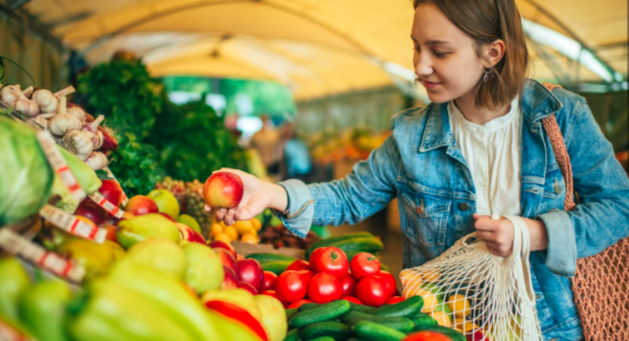
- Produce: Wash fruits/veggies in a colander under running water (not soaking in bowls). Removes plastic dust.
- Tea/Coffee: Skip nylon “silken” tea bags and single-use coffee pods. Use paper filters or stainless steel infusers.
- Processed Foods: Less packaging = less exposure. Buy fresh or in bulk with glass/paper packaging when possible.
These five cover the highest daily exposure points: what you drink, what you cook on, what you store food in, and what you breathe.
Behavior hack for this week: Filter the filter feeders, swap the salt, skip the sachets.

Want the OCD List? Get the details on how to decrease the plastics load in your food (warning: it might involve giving up some of your favorites, sigh).
 Wellth-e