
Issue #3: New Insights into Muscle Health
Here’s issue #3, the one I’ve had the most fun with so far, and the most personal one for me to date. (See Probe, Teal Box; Phagocyte/Play, Teal Box)

Why Muscle Is the Canary
We tend to talk about muscle when it is already disappearing.
After a fall.
After surgery doesn’t go well.
After chemotherapy proves intolerable.
After independence has quietly waned.
But sarcopenia does not arrive suddenly. It accretes.
This issue of Wellth-e begins from a simple premise: muscle loss is not a cosmetic concern, and it is not an inevitable feature of aging. It is one of the earliest, most integrative signals of declining system-wide health.
Muscle sits at a rare crossroads in human physiology. It reflects the state of the nervous system, immune system, endocrine signaling, mitochondrial capacity, nutrition, recovery, and stress load. When muscle adapts well, the organism is coherent. When it does not, something upstream is already failing.
That is why sarcopenia is such a powerful lens. It exposes the limitations of siloed thinking — of treating organs in isolation, of prioritizing guidelines over outcomes, of measuring what is easy instead of what is meaningful.
Across medicine, performance, and public health, we are in the midst of a quiet reframing. The focus is shifting away from mass alone and toward strength, function, and resilience. Not how big a tissue is — but how well it performs, how quickly it recovers, and how much stress it can absorb before breaking.
This issue explores muscle health, sarcopenia, and cachexia not as niche diagnoses, but as early warning systems. We look at the biology inside muscle, the immune and metabolic forces that shape it, the role of recovery and sleep, and the economic and policy structures that determine whether muscle loss is noticed early — or ignored until it becomes expensive.
Muscle is not where disease begins.
It is where disease becomes visible.
To pay attention to muscle health is to preserve capacity: the capacity to respond, to recover, to withstand illness, injury, and aging with more options still intact.

Pulse
Learn the basics of muscle structure, sarcopenia, cachexia and what factors are involved in preserving muscle health.
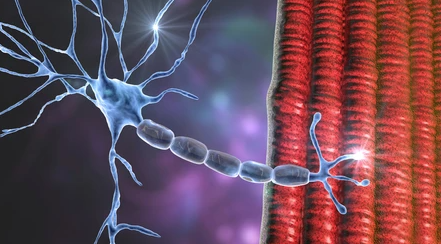
Psyche
Brain and muscle tissue function are interdependent. Healthy muscles mean healthier brains and vice-versa.

Probe
Muscle’s interactions with Fat, EVs, immune cells are just now coming to light. And doing more may just be undoing your muscle gains.

Prosper
Where’s the Money in Muscle? We’ll show you and help you discern what’s hype and what’s science.
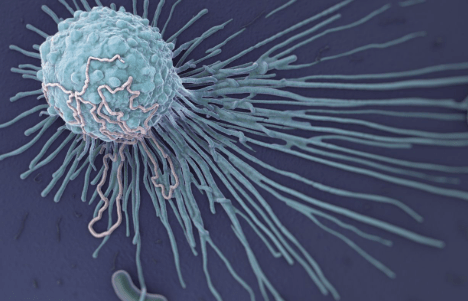
Phagocyte/Play
Go in-depth on how “inflammation” and macrophages affect muscle

Postscript
Here are the issue’s main takeaways and a glimpse into the upcoming action lists for the month
Your Welcome Run of Wellth-e
This is part of your complimentary 3-month experience: one full issue each month, supported by weekly supplements. After 3 months, you’ll have the chance to stay on as a subscriber at $49 a month, or join now at the Founder’s rate of $35 a month. (Looking for a gift? Get Wellth-e for the science and health afficcionado in your life.)
To be notified of new issues, join our email list:
Thank you for your response. ✨

 Wellth-e